
Easing Pain and Trigger Points Through Evidence-Informed Care
Dry needling is one of the most effective and frequently requested clinical tools available within modern Myotherapy. Whether you are dealing with chronic neck stiffness, persistent upper-back tightness, or a sports-related muscle strain, dry needling offers a targeted, evidence-informed pathway to lower pain and restore comfortable movement.
Despite its growing popularity across physical therapy clinics, dry needling remains widely misunderstood. Patients frequently ask:
- Is dry needling the exact same thing as acupuncture?
- Are you injecting medication into my muscle?
- Does the treatment hurt, and does the muscle have to twitch for it to work?
- How does inserting a tiny needle actually release a muscle knot?
At Scarborough Physio & Health, we believe clear education leads to better recovery outcomes. Dry needling is never used as a stand-alone “quick fix” or blindly performed on every patient. Instead, we integrate targeted dry needling into a comprehensive, active physical rehabilitation program to produce rapid pain relief and long-term movement improvement.
What Is Dry Needling?
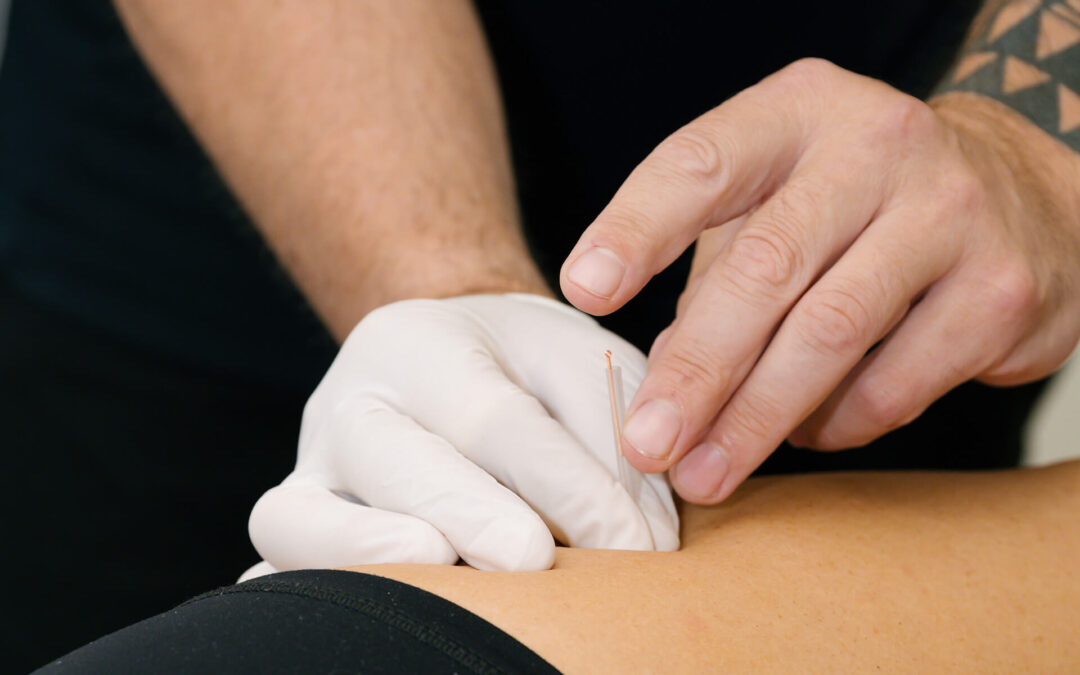
Dry needling is a clinical treatment technique in which an extremely fine, sterile, single-use solid filament needle is inserted through the skin directly into myofascial trigger points, sensitive muscle tissue, or connective tissue.
The term “dry” needling simply distinguishes the procedure from a medical injection using a hollow hypodermic needle.
- No Fluid or Medication: Nothing is injected into your body.
- Pure Mechanical Stimulus: The needle itself creates a targeted mechanical and neurological stimulus within the affected tissue.
Within a Myotherapy consultation, dry needling is seamlessly combined with hands-on remedial massage, gentle joint mobilization, myofascial cupping, load management, and targeted exercise rehabilitation.
Muscular Sensitivity / Trigger Point ➔ Targeted Insertion of Fine Filament Needle ➔ Neurological Pain Modulation & Local Tissue Release ➔ Pain-Free Window to Rebuild Movement & Strength
Dry Needling vs. Acupuncture: What Is the Difference?
While both treatments utilize thin, solid needles inserted into the skin, dry needling and acupuncture are distinct practices rooted in different philosophies and frameworks:
How Does Dry Needling Work? The Science Explained
Contrary to popular belief, dry needling does not physically “shred” or mechanically “pop” a muscle knot like a balloon. Research demonstrates that dry needling works through interconnected local, neurological, and biochemical mechanisms:
1. Neurological Pain Modulation
The mechanical insertion of the needle stimulates fast-conducting A-beta nerve fibers, effectively blocking slower pain signals (C-fibers) from reaching the brain. This process—known as the Gate Control Theory of Pain—helps instantly lower pain perception.
2. Local Blood Flow & Biochemical Changes
Inserting the needle creates a micro-stimulation that causes localized vasodilation (increased blood flow). This micro-circulation helps flush out inflammatory pain chemicals (such as Substance P and bradykinin) that accumulate in chronically tight, hypoxic muscle tissue.
3. Deactivating Myofascial Trigger Points
Hyper-irritable spots in skeletal muscle (trigger points) often maintain a state of sustained contraction. The needle helps reset the electrical activity at the neuromuscular junction, allowing tight muscle fibers to relax.
4. Sensitization & Central Nervous System Reset
Dry needling triggers the release of natural pain-relieving endorphins and enkephalins in the central nervous system, calming hyper-sensitive pain pathways.
What Does Dry Needling Feel Like? (Does It Hurt?)
Because dry needling needles are extremely thin—often no thicker than a human hair—most patients barely feel the needle pass through the skin surface.
Once the needle reaches a sensitive trigger point deep in the muscle, you may feel:
- A brief, dull ache or feeling of deep pressure.
- A subtle cramping sensation.
- A Local Twitch Response (LTR)—an involuntary, brief contraction of the muscle fibers.
Understanding the “Muscle Twitch”
A local twitch response is completely normal and indicates that the needle has successfully stimulated a hyper-irritable trigger point. However, a muscle twitch is not essential for treatment success. We adjust techniques to match your comfort level—treatment should always feel safe, controlled, and manageable.
Common Conditions Dry Needling Can Treat
Dry needling is highly effective for a wide range of acute and chronic musculoskeletal complaints:
- Neck Pain & Cervicogenic Headaches: Easing suboccipital, SCM, and upper trapezius tension.
- Lower Back Pain & Sciatica Symptoms: Releasing gluteal, piriformis, and lumbar paraspinal guarding.
- Shoulder Tightness & Impingement: Calming rotator cuff and scapular muscle trigger points.
- Sports Injuries & Muscle Strains: Accelerating recovery in tight hamstrings, calves, and quadriceps.
- Jaw Pain (TMJ Dysfunction): Deactivating tight masseter and temporalis jaw muscles.
- Tennis & Golfer’s Elbow: Lowering persistent tendon overload and forearm stiffness.
Safety & What to Expect After Treatment
When performed by a qualified Myotherapist adhering to strict Australian hygiene and clinical standards, dry needling is exceptionally safe and low-risk.
Normal Side Effects After Treatment:
- Post-Needling Soreness: You may experience a mild ache in the treated muscle for 24–48 hours, similar to the sensation after an intense gym workout.
- Minor Bruising: Small, harmless spots of localized bruising can occasionally occur near the insertion site.
- Temporary Fatigue: It is completely normal to feel relaxed or slightly tired after calming hyper-sensitive muscle tissue.
Is Dry Needling Suitable for Everyone?
Dry needling can be modified or avoided for certain health conditions. Always inform your practitioner if you:
- Are pregnant (certain needle positions are avoided).
- Take blood-thinning medication or have bleeding disorders.
- Have severe needle phobia or a history of fainting during medical procedures.
- Have active skin infections, open wounds, or compromised immune function.
Note: Dry needling is completely optional; if you prefer non-invasive soft tissue therapy, your Myotherapist will use alternative hands-on techniques.
My Approach at Scarborough Physio & Health
By John Preece — Remedial Massage Therapist | Myotherapist (Adv Dip) | Strength & Conditioning Coach
I never view dry needling as a magic wand or a stand-alone cure.
Needles are exceptional at calming pain, relieving protective guarding, and opening up a “window of opportunity”. But what you do with that window is what creates permanent progress.
When you see me at Scarborough Physio & Health:
- Thorough Assessment First: We identify why the muscle became tight or painful in the first place—whether from poor posture, training load spikes, or muscle weakness.
- Informed Consent & Comfort: I explain exactly where and why we are needling, ensuring you feel completely comfortable throughout the process.
- Pairing Needling with Active Care: Once dry needling calms your acute pain, we immediately follow up with movement, joint mobility, and progressive exercise rehabilitation to rebuild long-term strength and prevent symptoms from returning.
Red Flags: When Urgent Medical Care Is Needed
Dry needling is designed for mechanical muscle and joint complaints. If your pain is accompanied by any of the following symptoms, seek immediate medical evaluation:
- Sudden, severe pain associated with fever, chills, or systemic illness.
- Progressive neurological deficits, such as sudden leg weakness, numbness, or loss of bowel/bladder control.
- Severe pain following direct, violent trauma or high-impact injury.
Frequently Asked Questions
Ready to Experience Targeted Pain Relief?
Don’t let persistent muscle knots, chronic tightness, or pain hold you back from doing what you love. Experience how targeted dry needling within a professional Myotherapy plan can help you move without restriction.
What to Expect at Your First Consultation
1. We Listen ➔ 2. Movement Assessment ➔ 3. Clear Diagnosis ➔ 4. Tailored Care & Plan
- Comprehensive Assessment: We discuss your symptom history, work demands, and fitness goals to ensure dry needling is safe and appropriate.
- Clear Explanation: We walk you step-by-step through the process so you know exactly what to expect before treatment begins.
- Targeted Care & Exercise Progression: Hands-on treatment and needling are combined with easy, practical home exercises on day one.
Flexible Options for Your Care
- Health Fund Rebates: On-the-spot HICAPS processing available for all major Australian private health funds.
- No Referral Needed: You can book directly without a GP referral. We also accept Medicare EPC plans, DVA, WorkCover, and NDIS participants.
- Local Care: Conveniently serving Scarborough, Redcliffe, Newport, and the greater Moreton Bay region.