
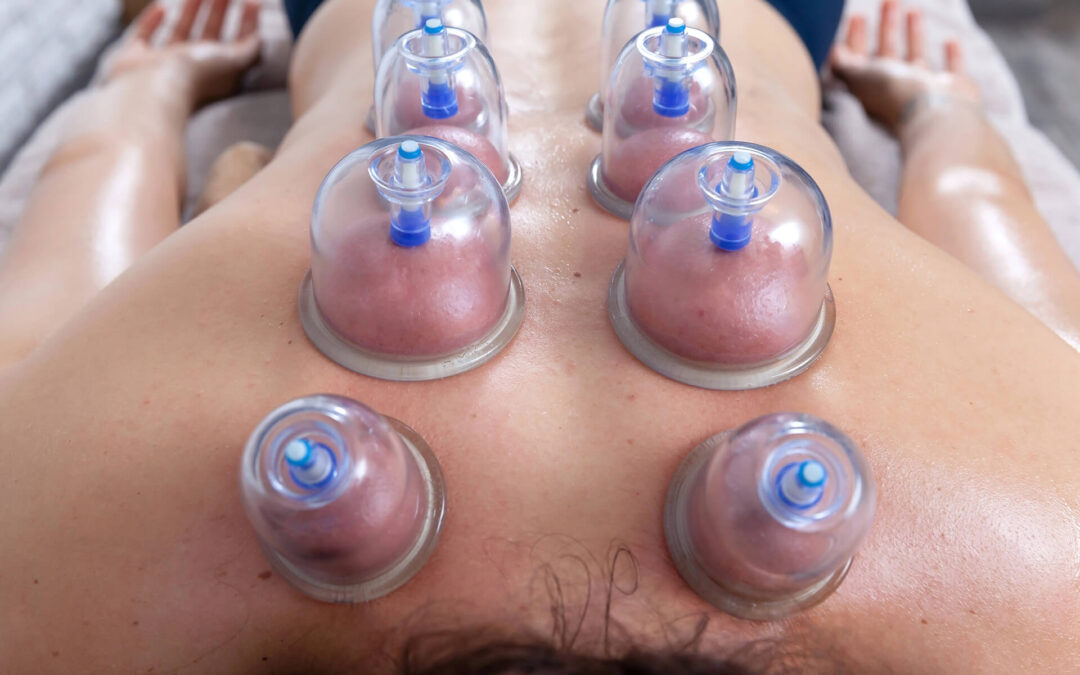
Easing Muscular Soreness and Restoring Movement Through Controlled Suction
Myofascial cupping is one of the most visual and widely recognized manual therapy techniques used in modern Myotherapy. Frequently seen on elite swimmers, athletes, and gym-goers, the circular marks left behind often generate curiosity—and a significant amount of misunderstanding.
Patients commonly ask:
- Does cupping draw dangerous toxins out of the body?
- Are the circular marks bruises, and does a darker mark mean my muscle was tighter?
- What is the difference between stationary cupping and sliding cupping?
- How is cupping different from deep tissue massage?
At Scarborough Physio & Health, we take an evidence-informed approach to myofascial cupping. We use dry mechanical cupping—using medical-grade plastic or silicone cups with hand suction pumps—to lower muscular sensitivity, release tissue tension, and improve comfortable range of movement.
Cupping is never used as a stand-alone “cure” or framed using outdated myths. Instead, it is integrated as a valuable hands-on modality within a complete, active rehabilitation plan.
What Is Myofascial Cupping?
Myofascial cupping is a manual therapy technique that uses controlled negative pressure (suction) to gently draw the skin, subcutaneous tissue, and superficial fascia upward into a cup.
While traditional massage applies downward compression into hypertonic muscle tissue, cupping creates a lifting and stretching force across the myofascial layers.
Within a Myotherapy consultation, myofascial cupping is combined with:
- Targeted Remedial Massage and soft tissue manipulation
- Dry needling
- Gentle cervical, thoracic, or peripheral joint mobilization
- Movement assessment and dynamic stretching
- Progressive strength training and load management
Downward Compression (Traditional Massage) ➔ Pushes Into Tissues
Upward Negative Pressure (Myofascial Cupping) ➔ Draws Tissues Upward & Decompresses
Dry Cupping vs. Wet Cupping vs. Fire Cupping
It is important to understand the different forms of cupping therapy practiced globally:
- Dry Mechanical Cupping (Used at Scarborough Physio & Health): Clean, sterile cups are applied to intact skin using a precision hand-suction pump. No flames are used, and the skin is never cut or pierced.
- Sliding Myofascial Cupping (Used at Scarborough Physio & Health): A natural lubricant is applied to the skin, allowing cups under light suction to glide smoothly across large muscle groups.
- Wet Cupping (Not Practiced): Involves superficial skin incisions to draw blood into the cup. This traditional procedure is outside our clinical scope.
- Fire Cupping (Not Practiced): Uses an open flame to create a vacuum inside glass cups. We utilize controllable, modern suction pumps for consistent pressure and safety.
Stationary Cupping vs. Sliding Cupping
How Does Myofascial Cupping Work? (Demystifying the Science)
Claims that cupping “detoxifies the blood,” “peels apart scar tissue,” or “permanently un-sticks fascia” are unsupported by modern physiology. Instead, research points to clear neurological, mechanical, and vascular mechanisms:
1. Decompression & Tissue Glide
By creating upward negative pressure, cupping decompresses superficial tissue layers. This lifting effect encourages better fluid movement and micro-glide between hyper-irritable muscle fibers and surrounding connective fascia.
2. Micro-Vascular Response & Local Blood Flow
The vacuum draws localized blood flow into superficial capillaries, triggering micro-circulation changes. This increased perfusion helps clear local metabolic byproducts (such as Substance P) and brings fresh oxygenated blood to tight, hypoxic muscle zones.
3. Neurological Nervous System Reset
Simulating cutaneous mechanoreceptors via sustained suction sends strong sensory signals through fast-conducting nerve fibers to the spinal cord. This helps interrupt persistent pain pathways, calming protective muscle guarding and lowering perceived stiffness.
The Truth About Cupping Marks: What Do They Mean?
The round marks left behind after stationary cupping are the most talked-about aspect of treatment.
Are Cupping Marks Bruises?
While they look like bruises, traditional bruises are caused by blunt impact trauma that crushes underlying muscle fibers and ruptures deeper blood vessels. Cupping marks are produced by gentle suction drawing superficial capillary blood into the upper skin layers (extravasation).
Common Cupping Myths Debunked:
Myth 1: Dark marks show toxins leaving your body.
Fact: Cupping does not draw toxins out through intact skin. Metabolic waste is processed internally by your liver, kidneys, and lymphatic system.
Myth 2: A darker mark means your muscle was tighter or more damaged.
Fact: Mark color (ranging from light pink to deep purple) simply reflects localized capillary density, suction strength, time applied, and individual skin sensitivity.
Myth 3: No marks mean the treatment failed.
Fact: Therapeutic benefits—such as pain relief and restored range of movement—occur independently of skin discoloration.
Note: Cupping marks are temporary and usually fade within 3 to 10 days. If you have an upcoming event, wedding, photoshoot, or competition where visible marks are undesirable, simply let your Myotherapist know so alternative techniques can be used.
Conditions That Can Benefit From Myofascial Cupping
Myofascial cupping is particularly useful for persistent stiffness and soft-tissue restrictions:
- Upper Back & Shoulder Tension: Easing tight trapezius and rhomboid muscles from prolonged desk posture.
- Lower Back & Gluteal Stiffness: Relieving protective lumbar guarding and hip tightness.
- Athletic & Exercise Soreness: Accelerating post-workout recovery in heavy hamstrings, calves, and quads.
- IT-Band & Thigh Restrictiveness: Improving lateral thigh tissue glide in runners and cyclists.
- Neck Pain & Restrictive Rotation: Unloading tight cervical and thoracic soft tissues to improve movement.
Safety, Contraindications, & Post-Treatment Care
Dry myofascial cupping is exceptionally safe when applied by a qualified practitioner using clinical infection-control standards.
When Cupping Should Be Avoided or Modified:
Tell your therapist before treatment if you have any of the following conditions:
- Open wounds, broken skin, sunburn, or active skin conditions (eczema, psoriasis) in the treatment area.
- Fragile, thinning skin or a history of severe bruising.
- Use of blood-thinning medications or active bleeding disorders.
- Pregnancy (stationary cupping on the abdomen and lower back is avoided).
- Acute fractures, severe trauma, or active deep vein thrombosis (DVT).
What to Do After Your Cupping Session:
- Stay Comfortable: Gentle movement and normal walking are encouraged post-treatment.
- Keep the Area Covered: Protect skin marks from cold winds or extreme hot showers immediately after treatment.
- Hydrate Naturally: Drink water normally to stay hydrated—no extreme “detox” protocols are required.
My Approach at Scarborough Physio & Health
By John Preece — Remedial Massage Therapist | Myotherapist (Adv Dip) | Strength & Conditioning Coach
Cupping is a fantastic clinical tool, but it is never used in isolation or as a gimmick.
When you see me at Scarborough Physio & Health, cupping is selected strictly when it supports your specific movement goals:
- We Assess First: I evaluate your joint range of motion, soft tissue tone, and training history to ensure cupping is clinically appropriate.
- Honest Communication: I will never tell you that a mark represents “toxins leaving your body” or that a dark mark proves tissue damage. I explain the physiological mechanism so you understand your recovery.
- Connecting Passive Care to Active Strength: Easing muscle tension with cupping opens up a window for pain-free movement. We immediately use that opportunity to load, strengthen, and rehabilitate your body so you achieve long-lasting results.
Red Flags: When Urgent Medical Evaluation Is Needed
Myofascial cupping is designed for non-invasive, mechanical soft tissue management. Seek immediate medical care if you experience:
- Sudden, severe calf swelling, warmth, and redness (suspected Deep Vein Thrombosis).
- Severe pain accompanied by high fever, chills, or spreading skin infection.
- Sudden loss of bowel or bladder control accompanying acute low back pain.
Frequently Asked Questions
Ready to Experience Restored Movement and Relief?
Don’t let persistent muscle tightness, movement restrictions, or stubborn soreness hold you back from living an active, comfortable life