
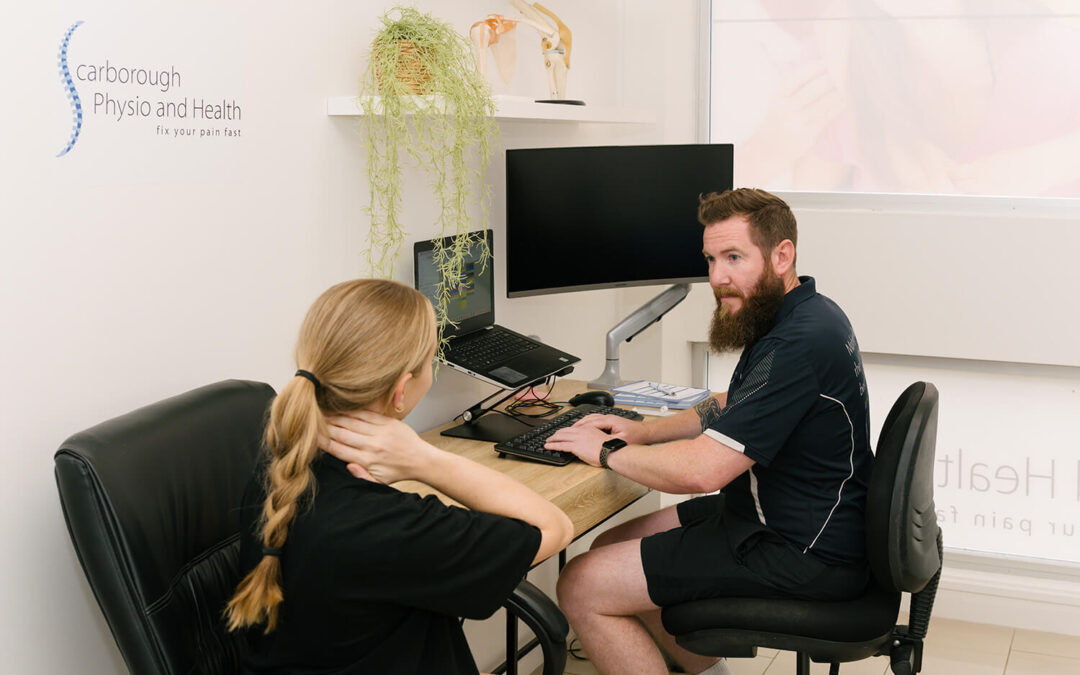
Unlocking the Link Between Neck Stiffness and Persistent Headaches
Headaches and neck pain commonly strike together. You might notice a throbbing headache setting in after hours at your desk, or a dull ache starting at the base of your skull before spreading toward your temples, forehead, or behind your eyes. For many, the upper neck feels tight, guarded, and painful to turn. For others, frequent headaches occur even when the neck itself doesn’t feel particularly sore.
It is tempting to assume that every headache is simply caused by “tight neck muscles”. However, headaches stem from complex, diverse underlying drivers.
While headaches with a strong musculoskeletal component respond exceptionally well to targeted Myotherapy, joint mobilization, and movement rehabilitation, other headache types—such as neurological migraines or secondary medical headaches—require dedicated medical management.
At Scarborough Physio & Health, our first priority is never to simply rub a sore neck. We take the time to evaluate your exact symptom pattern, identify whether soft-tissue and mechanical factors are driving your discomfort, and ensure you receive safe, appropriate care.
Why Do Headaches and Neck Pain Occur Together?
The upper cervical spine (neck), upper back, jaw, head, and brainstem share densely interconnected nerve pathways. Because of this shared sensory wiring, pain signals originating in the upper neck joints or surrounding soft tissues are frequently referred directly into the head.
The relationship between neck tightness and headaches manifests in several ways:
- Cervical Referred Pain: Irritation in the upper neck structures sends pain signals straight into the forehead, temples, or behind the eyes.
- Migraine-Associated Neck Pain: Neurological migraines frequently cause reflex muscle stiffness and neck discomfort during an attack. Neck pain does not automatically prove the neck caused the migraine.
- Tension-Type Pain: Workstation fatigue, stress, and eye strain heighten nervous system sensitivity, triggering muscle guarding across the shoulders, neck, and scalp.
- Jaw & TMJ Involvement: Clenching or grinding teeth places heavy strain on temporomandibular joints and surrounding muscles, referring pain upward into the head.
Upper Neck Joint Irritation / Muscle Guarding ➔ Shared Cervical Nerve Pathways ➔ Referred Pain to Forehead, Temples, or Behind the Eye
Types of Headaches That Involve the Neck
1. Tension-Type Headaches
The most common presentation, tension headaches are felt as a constant, dull, or pressing band of tightness around both sides of the head. Unlike migraines, tension headaches are rarely accompanied by severe nausea and are not aggravated by routine light activity like walking or climbing stairs. Contributing factors include prolonged screen work, poor sleep, stress, and muscular tenderness.
2. Cervicogenic Headaches (Neck-Driven)
A cervicogenic headache is a secondary headache—meaning the pain is caused directly by a structural or mechanical issue in the upper neck. Common indicators include:
- Pain predominantly on one side of the head or face.
- Headaches triggered or worsened by specific neck movements or sustained positions.
- Restricted neck rotation or side-bending.
- Pain originating at the base of the skull and radiating forward.
3. Migraines with Neck Discomfort
Migraine is a complex neurological condition, not just a severe tension headache. Attacks often feature throbbing, severe pain (usually on one side), light and sound sensitivity, nausea, visual aura, and neck stiffness. While Myotherapy does not alter underlying neurological migraine mechanisms, managing neck tightness can help reduce overall physical strain and frequency of co-occurring muscle tension.
Can “Tight Muscles” Really Cause Headaches?
Sensitive, hypertonic muscles around the upper shoulders, neck, scalp, and jaw frequently contribute to headache intensity. Key areas we assess include:
- Suboccipital Muscles: Small muscles at the base of the skull that become fatigued during prolonged head-forward positions.
- Upper Trapezius & Levator Scapulae: Shoulder-girdle muscles that carry physical and emotional stress.
- Sternocleidomastoid (SCM): Neck muscles that can refer pain directly to the temple, forehead, and around the eye.
- Temporalis & Masseter: Key jaw muscles prone to overload from clenching or teeth grinding.
However, muscle sensitivity is rarely just a physical “knot.” It is influenced by workload demands, stress levels, poor sleep, and nervous system guarding. Repeatedly rubbing the exact same tight spot without addressing movement capacity, posture habits, and neck strength will only yield temporary relief.
What Is Myotherapy?
Myotherapy is an advanced branch of physical therapy focused on assessing, treating, and managing musculoskeletal pain, myofascial dysfunction, and movement restrictions. Built upon Western anatomical and biomechanical principles, Myotherapy bridges the gap between passive massage and active rehabilitation.
Techniques Included in a Myotherapy Consultation:
- Advanced Soft Tissue & Remedial Massage: Easing hypertonic neck muscles and releasing deep scalp tension.
- Targeted Dry Needling: Deactivating hyper-sensitive trigger points in suboccipital, neck, and shoulder muscles to calm referred pain.
- Myofascial Cupping: Applying gentle negative pressure to enhance tissue glide and circulation across the upper back and neck.
- Gentle Joint Mobilization: Improving local cervical joint glide and reducing protective neck stiffness.
- Ergonomic & Biomechanical Assessment: Evaluating workstation setups, neck mobility, and shoulder blade control.
- Targeted Exercise Rehabilitation: Prescribing deep neck flexor strengthening and upper-back mobility work to build long-term load capacity.
Myotherapy vs. Remedial Massage vs. Physiotherapy
How Myotherapy Tackles Headaches and Neck Pain at the Root
1. Delivering Rapid Hands-On Relief
Targeted soft tissue therapy, remedial massage, and dry needling provide comforting sensory input to hyper-sensitive nerve pathways. Easing muscle guarding around the base of the skull creates immediate symptom relief and restores comfortable neck rotation.
2. Improving Upper Spine Mobility
Gentle joint mobilization helps restore natural movement to restricted cervical and thoracic joints. Improving joint glide removes mechanical strain from surrounding tissues without forceful manipulation.
3. Rebuilding Neck & Shoulder Capacity
Passive therapy calms acute pain, but targeted strength prevents symptoms from returning. Exercise rehabilitation strengthens deep neck stabilizer muscles, improves upper back posture tolerance, and ensures your neck handles daily workstation demands with ease.
4. Practical Load Pacing & Ergonomics
We help you identify daily triggers—such as unvaried screen positions, clenching during stressful tasks, or poor hydration. Establishing regular movement breaks and ergonomic adjustments protects your neck from chronic fatigue.
My Approach at Scarborough Physio & Health
By John Preece — Remedial Massage Therapist | Myotherapist (Adv Dip) | Strength & Conditioning Coach
When treating someone suffering from neck pain and headaches, I never assume that every headache is simply caused by a tight muscle.
I start by building a complete picture:
- Analyzing Your Headache Pattern: Where the pain starts, how it travels, its frequency, and what triggers or relieves it.
- Screening for Safety: Ensuring your symptoms are appropriate for physical care and ruling out red-flag medical warning signs.
- Evaluating Movement & Strength: Testing neck mobility, shoulder-blade control, and upper back capacity.
Hands-on treatment—including Remedial Massage, dry needling, myofascial cupping, and joint mobilization—is valuable for settling acute pain and easing protective guarding. However, I ensure every session leads to lasting progress.
By integrating my background in Strength & Conditioning, I prescribe simple, effective mobility and neck-strengthening exercises tailored to your daily routine. The ultimate goal is to build your physical capacity, restore movement confidence, and empower you to manage your neck health independently.
Red Flags: When to Seek Immediate Medical Care
While most headaches stem from harmless musculoskeletal or primary headache causes, certain symptoms require urgent medical evaluation.
Seek emergency medical care immediately (call 000 or visit the nearest emergency department) if your headache:
- Strikes suddenly and severely (a “thunderclap” headache).
- Is accompanied by fever, neck stiffness, confusion, or persistent vomiting.
- Is paired with neurological signs like sudden weakness, facial drooping, difficulty speaking, numbness, or vision loss.
- Follows a sudden, significant head trauma or neck injury.
- Develops progressive worsening over days or weeks, distinctly changing from your normal pattern.
Frequently Asked Questions
What to Expect at Your First Consultation
Stage 1: Thorough Assessment & Tissue Evaluation
The initial focus is understanding why your tissues are reacting and identifying your specific movement limitations.
What We Do: We evaluate your neck range of motion, assess upper back posture, test shoulder strength, and identify muscle tenderness to pinpoint the root of your symptoms.
The Scarborough Physio Advantage: We take time to listen to your health history and headache patterns in plain English, ensuring treatment pressure matches your body’s specific tolerance.
Stage 2: Calibrated Clinical Treatment
Once we understand your presentation, targeted hands-on treatment is applied during your very first session to calm angry tissues and improve comfort.
What We Do: Advanced soft tissue therapy, remedial massage, dry needling, myofascial cupping, or gentle joint mobilisations are used based on your needs.
The Scarborough Physio Advantage: We avoid painful, aggressive force, focusing instead on precise manual techniques that ease suboccipital guarding without over-irritating delicate cervical structures.
Stage 3: Clear Post-Care Advice & Active Recovery Plan
Hands-on care creates a window of relief, which we lock in with practical self-management advice and movement guidance.
What We Do: We provide clear post-treatment expectations, targeted exercise rehabilitation (like deep neck flexor strengthening), and ergonomic workstation advice.
The Scarborough Physio Advantage: You leave with a personalized recovery plan to manage any normal short-term tenderness and step-by-step guidance to prevent recurring headaches.
Ready to Take the First Step Toward Pain-Free Living?
You don’t have to keep putting up with neck stiffness, daily aching, or waiting for persistent headaches to clear up on their own. Whether you’re dealing with screen-related neck strain, chronic tension headaches, or neck stiffness holding you back, our team is here to help you move, feel, and live better.