At Scarborough Physio & Health, one of the things I hear all the time is:
“My shoulders are always tight.”
“My calves keep tightening up.”
“My back loosens off for a bit, then it comes straight back.”
This is one of the most common reasons Redcliffe locals start looking for remedial massage for chronic muscle tightness rather than short-term relaxation alone.
That pattern is common, and usually there is a reason for it.
In most cases, “tight muscles” are not just random. They are often part of a bigger musculoskeletal picture involving load, movement habits, stress, guarding, reduced tolerance, or the body trying to protect an area that is irritated or not coping well. That is why the feeling keeps returning, even when it temporarily settles after stretching, rest, or treatment.
Tightness Is Often a Sign, Not the Whole Problem
This is where people often get stuck.
They focus on the sensation of tightness, but the more useful question is: why does the body keep creating that feeling in the first place?
Sometimes it is related to repeated load from work, training, or posture. Sometimes it is driven by protective muscle guarding around a painful or irritated joint. Sometimes it is part of a broader pain response where the nervous system is contributing to stiffness and reduced movement. In other words, the muscle may feel tight, but tightness itself is often just the surface-level symptom.
Why It Keeps Coming Back
There are a few common reasons muscles keep feeling tight:
- the same area is repeatedly overloaded
- movement patterns have changed and other tissues are compensating
- pain or irritation is causing protective guarding
- stress is increasing overall tension and reducing recovery
- mobility improves briefly, but nothing changes the reason it tightened in the first place
For some people, stress and poor recovery can also increase overall muscle tension and make the body feel constantly switched on or guarded.
This is why a muscle can feel better for a few hours or a few days, then end up right back where it started. If the driver is still there, the body often returns to the same pattern.
Stretching Is Not Always the Full Answer
A lot of people assume tight muscles just need more stretching.
Sometimes stretching helps, but it is not always the whole answer. Stretching can improve range of motion over time, but if the area is repeatedly overloaded, guarded, or compensating for something else, the “tightness” may keep returning unless that bigger issue is addressed as well.
That is why I do not automatically assume tight muscles simply need more stretching or lengthening work. Sometimes it needs reduced irritability, better load tolerance, improved movement, or less protective tension around the area.
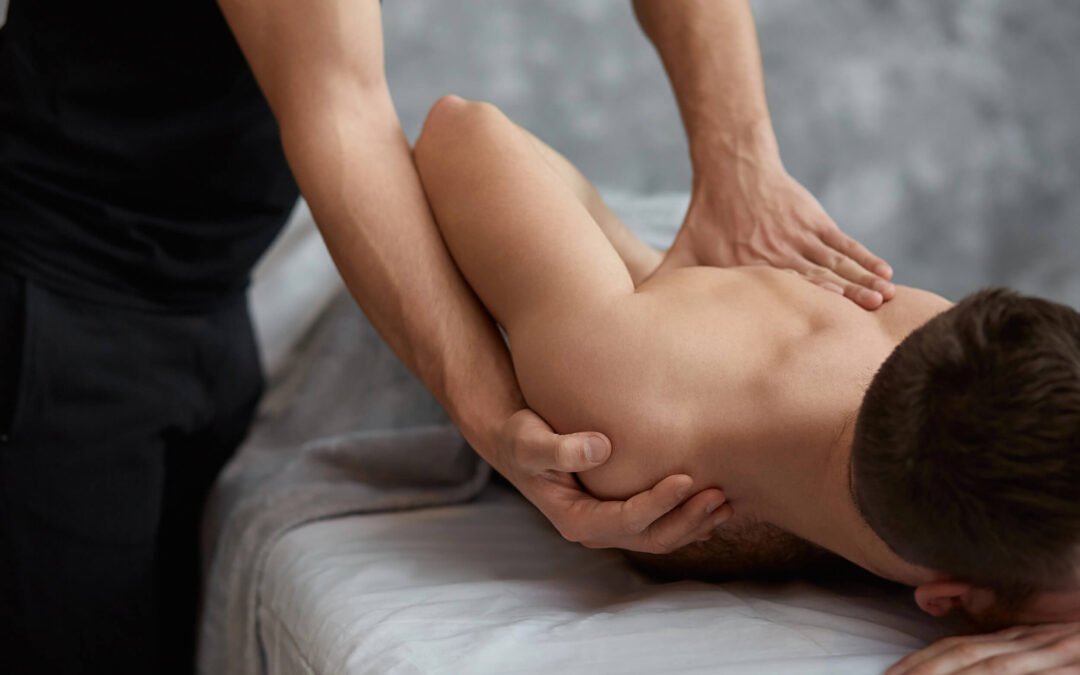
What Remedial Massage Can Actually Do
This is where remedial massage can be useful.
Used properly, it may help by:
- reducing muscle tension and protective guarding
- improving short-term range of motion
- making movement feel easier and less restricted
- settling symptoms enough for more normal movement to return
- helping the body tolerate day-to-day load more comfortably
That is the key point: remedial massage is not magic, but it can be a useful clinical tool when tightness is part of a bigger movement or pain problem.
Why Relief Sometimes Does Not Last
This is also worth being honest about.
A massage can make an area feel looser and more comfortable, but if nothing changes around what caused the tightness in the first place, the effect may be temporary. That does not mean treatment failed. It often means the body still needs more input, better progression, or a broader plan around the issue.
That is why I tend to look at questions like:
- What keeps overloading the area?
- What movements are being avoided or changed?
- Is the body guarding because something is still irritated?
- Does this person need short-term relief, a more structured treatment plan, or both?
That kind of reasoning matters more than simply attacking the feeling of tightness over and over again.
The Goal Is Not Just to Feel Looser
For me, the real outcome is not just that a muscle feels looser on the table.
The better outcome is that you:
- turn your neck more freely
- get through the work day with less build-up
- bend, lift, or walk with less restriction
- train without the same area constantly tightening up
- stop feeling like the body is fighting you all the time
That is where remedial massage has real value. It is not just about sensation. It is about helping improve function, movement tolerance, and day-to-day usability.
My Approach in Clinic
When someone tells me they are always tight, I do not just hear “tight muscles.”
I hear a body that may be overworking, guarding, compensating, or not tolerating load well somewhere in the chain. My job is to work out what is most likely driving that pattern, treat what I can clinically, and help the person move and function better, not just feel briefly looser.
That is why I do not see remedial massage as a quick rub-down for tension. I see it as a practical musculoskeletal tool that can help reduce symptoms, improve movement, and support longer-term change when applied for the right reason.
Final Takeaway
If your muscles always feel tight, the tightness itself is probably not the whole story.
In many cases, it is the body’s response to load, irritation, movement change, stress, or protection. That is why it keeps coming back.
Remedial massage can help, especially when it reduces guarding, improves movement, and gives the body a better chance to settle and function properly. But the best results usually come when treatment is guided by why the tightness is there, not just where you feel it.
That is the standard I aim for in clinic.
A lot of the people I see in clinic around Redcliffe are dealing with the same pattern of recurring tightness, stiffness, and movement restriction that never seems to fully settle.
Ready to Get Started?
If you are dealing with recurring muscle tightness, stiffness, or ongoing restriction and want a more considered clinical approach, I would be happy to help.
Call Scarborough Physio & Health on (07) 3880 1649 or book online to get started.
John Preece – Remedial Massage Therapist